

Since the post-antibiotic era, there has been significant difficulty in treating infectious diseases due to the increase in antimicrobial resistance, the scarcity of new antimicrobials, and the complexity of the healthcare system. The World Health Organization (WHO) recognized it as one of the main public health problems.
To mitigate this issue, Antimicrobial Stewardship Programs (ASPs) have been established in hospital settings and in primary care, through multidisciplinary teams with specific objectives and measurable results. However, their implementation faces multiple challenges.
Digital tools and artificial intelligence (AI) can enhance these ASPs, contributing to the discovery of new molecules, the identification of resistance patterns, and improvements in infection control and prevention.
ObjectiveTo analyze the role of digital tools and AI in the interventions carried out by hospital-based ASP teams to improve established outcomes.
Material and methodsThis protocol follows the PRISMA-P methodology and has been registered in PROSPERO (ID: CRD42024601221). A literature search will be conducted in PubMed, Scopus, and the Cochrane Library (2014–2024); gray literature will subsequently be reviewed in Google Scholar. Articles (clinical trials, interventional and observational) involving hospitalized adult patients requiring antimicrobial treatment will be included. The risk of bias will be assessed according to the study type, and methodological quality will be evaluated using the GRADE scale. Two independent researchers will perform study selection, quality assessment, and data extraction. Discrepancies will be resolved by consensus or through the intervention of a third researcher.
DiscussionPrevious studies highlight the role of ASPs and digital tools in antimicrobial optimization. However, the difficulty and difference in the degree of implementation have also become apparent. The heterogeneity of interventions and indicators could be a limiting factor for conducting a meta-analysis. Despite these limitations, this systematic review will provide a better understanding of the potential use of digital tools and AI in hospital-based ASPs.
Protocol registrationThis protocol has been registered in PROSPERO with the ID: CRD42024601221.
A partir de la era post-antibiótica existe una gran dificultad para el tratamiento de enfermedades infecciosas debido al incremento de las resistencias antimicrobianas, la escasez de nuevos antimicrobianos y la complejidad del sistema sanitario. La Organización Mundial de la Salud (OMS) lo reconoce como una de las principales amenazas para la salud pública mundial.
Para tratar de paliar este problema, se han establecido programas de optimización del uso de antimicrobianos (PROA), en entornos hospitalarios y en atención primaria, mediante equipos multidisciplinares con objetivos específicos y resultados medibles. Sin embargo, su implementación enfrenta múltiples desafíos.
Las herramientas digitales y la inteligencia artificial (IA) pueden potenciar estos PROA, así como el descubrimiento de nuevas moléculas, identificación de patrones de resistencia y mejora en el control y prevención de la infección.
ObjetivoAnalizar el papel que juegan las herramientas digitales y la IA en las intervenciones que realizan los equipos PROA hospitalarios para mejorar los indicadores establecidos (clínicos, microbiológicos y de consumo).
Material y métodosEste protocolo sigue la metodología PRISMA-P y ha sido registrado en PROSPERO (ID: CRD42024601221). Se realizará una búsqueda bibliográfica en PubMed, Scopus y Cochrane Library (2014–2024), posteriormente se revisará literatura gris en Google Scholar. Se incluirán artículos (ensayos clínicos, de intervención y observacionales) de pacientes adultos hospitalizados que requieran de tratamiento antimicrobiano. Se evaluará el riesgo de sesgo según el tipo de estudio, y la calidad metodológica con la escala GRADE. Dos investigadores independientes realizarán la selección de los estudios, la evaluación de la calidad y la extracción de datos. Las discrepancias se resolverán por consenso o mediante la intervención de un tercer investigador.
DiscusiónEstudios previos destacan el papel de los PROA y de las herramientas digitales en la optimización antimicrobiana. Sin embargo, también se ha puesto de manifiesto la dificultad y la diferencia en el grado de implementación. La heterogeneidad de las intervenciones y de los indicadores podría ser un factor limitante para realizar un metaanálisis. A pesar de estas limitaciones, esta revisión sistemática aportará una visión más clara sobre el potencial de las herramientas digitales y la IA en los programas PROA hospitalarios.
Registro del protocoloEste protocolo ha sido registrado en PROSPERO con el ID: CRD42024601221.
The growing complexity in addressing serious infectious diseases, due to the increase in resistance of microorganisms to current treatments (multidrug-resistant bacteria, MDR), was recognized in 2013 by the Centers for Disease Control and Prevention (CDC) as the beginning of the post-antibiotic era.1 This situation is compounded by the limited research into the development of new antimicrobials, due to the misuse or overuse of antibiotics including indication, selection, or duration. WHO has already classified antimicrobial resistance as one of the most critical public health issues.2
In 2016, 700,000 people worldwide died due to antimicrobial resistance,3 approximately 25,000 in the European Union (EU).4 If this trend continues, it is estimated that by 2050, 10 million people will die annually, surpassing cancer-related deaths. In addition to the deaths associated with this problem, there is the additional cost of medical care and productivity losses that are estimated at around €1.5 billion per year in the EU alone.4
This public health problem has promoted the design and implementation of strategies aimed at alleviating it, focusing on three areas (innovation, prevention and education, and optimization).
The first focuses on the innovation of new antimicrobials with activity against the most resistant microorganisms at the present time. The second is aimed at improving infection prevention and control mechanisms in health centres. And the third is based on the implementation of ASPs with multidisciplinary work teams (doctors who are experts in the management of infectious diseases, pharmacists and clinical microbiologists, among other professionals) with the intention of extending the shelf life of available antimicrobials and obtaining the best clinical results in patients with severe infections, through the rational use of antimicrobials.5
ASPs are structured, multidisciplinary teams integrated into healthcare systems, serving as valuable tools for clinical management and the promotion of responsible antimicrobial use.6 Their main objectives include:
- a.
Achieving optimal clinical outcomes after identifying the causative pathogen of the infection.
- b.
Minimizing the adverse effects of antibiotics, including antimicrobial resistance.
- c.
Promoting the rational use of antimicrobial treatments, considering effectiveness to ensure the sustainability of healthcare systems.
To assess the impact of ASP interventions, it is crucial to define specific and measurable goals based on the SMART criteria (Specific, Measurable, Achievable, Realistic, and Time-bound). To this end, at the national level, through the scientific societies of the Spanish Society of Hospital Pharmacy (SEFH), the Spanish Society of Preventive Medicine, Public Health and Hygiene (SEMPSPH) and the Hospital Infection Study Group of the Spanish Society of Infectious Diseases (GEIH-SEIMC) in line with the policies promoted by the Ministry of Health, different indicators were established to evaluate their effectiveness, both process indicators (prescription quality) and outcome indicators (cost-consumption, clinical, and microbiological data).7,8
Despite the proven efficacy of ASPs,9 their implementation across different healthcare settings faces numerous challenges, including variability in antibiotic prescribing practices, a shortage of specialized personnel, limited technical and human resources, and the need for continuous supervision. Additionally, analyzing the vast amount of clinical data associated with infectious diseases adds to the workload of healthcare teams.
Digital tools and artificial intelligence (AI) have the potential to improve these established indicators for optimizing antimicrobial use by analyzing large volumes of data, thereby enhancing diagnostic accuracy, improving clinical decision-making, reducing treatment duration, decreasing inappropriate use, optimizing workflows, and analyzing outcomes.10–12 Moreover, AI could also be useful for other strategies, such as the discovery of new molecules with antimicrobial effects, identification of resistance patterns, and improvements in infection control and prevention.13
The digitalization of information through electronic health records and mobile technology options facilitates an integrated and technology-based management approach for ASPs.14 An eHealth infrastructure is needed that considers the complexity of the healthcare system, healthcare professionals, and patient habits.15
This systematic review aims to clarify this potential improvement of the established outcomes in hospital ASPs with the use of digital tools and AI.
ObjectivesTo determine the role of digital tools and AI in interventions conducted by hospital ASPs and their impact on their results, in terms of improving established indicators.
Materials and methodsThis protocol was developed following the Preferred Reporting Items for Systematic Review and Meta-Analysis Protocols (PRISMA-P) guidelines,16 and the review will be conducted in accordance with the PRISMA statement.17
Inclusion criteriaThe inclusion criteria for systematic reviews are based on the PICOS framework (Population, Intervention, Comparison, Outcome and Study design) and will be the following:
- •
P (Population): Hospitalized patients requiring antimicrobial treatment.
- •
I (Intervention): Digital tools and artificial intelligence used in antimicrobial use optimization, integrated into ASPs.
- •
C (Comparison): Studies with or without a control group will be included.
- •
(Outcomes): Established ASP indicators: consumption, clinical outcomes, and microbiological outcomes.
- •
S (Study Design): Randomized controlled trials (RCTs), interventional studies (before-after), and observational studies (retrospective and prospective).
Restricted to publications in English and Spanish, published during the years 2014 to 2024. The search will include all kinds of publications, but only if the full text is available.
Exclusion criteriaStudies will be excluded if they do not meet the inclusion criteria or meet any of the following exclusion criteria: Patients treated in outpatient or emergency department settings (primary care, outpatients), pediatric patients and patients treated with antivirals or anti-tuberculosis drugs.
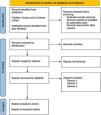
Study designFig. 1 presents the PRISMA flow diagram17 outlining the literature search and study selection process.

PRISMA flow diagram.14
Source: Page MJ, et al. BMJ 2021;372:n71. doi: https://doi.org/10.1136/bmj.n71.
Two authors will conduct a comprehensive literature search, including all available articles published from January 1, 2014, to December 31, 2024, from peer-reviewed databases and gray literature sources. This ten-year interval was selected to capture the contemporary evolution of digital interventions applied to antimicrobial stewardship, while avoiding earlier periods with limited or methodologically heterogeneous evidence. The search will include, but not be limited to, the following sources: PubMed, Scopus (Elsevier Science), and Cochrane Library. A combination of Medical Subject Headings (MeSH) and free-text terms will be used. Gray literature will be retrieved using Google Scholar, as well as through the reference lists of relevant identified articles.
Example of the Search strategy designed for PubMed database:
((“digital tools”[Title/Abstract] OR “clinical decision support system”[Title/Abstract] OR “machine learning”[Title/Abstract] OR “decision making tools”[Title/Abstract] OR “predictive analytics”[Title/Abstract] OR “artificial intelligence”[Title/Abstract]) AND (“anti bacterial agents”[MeSH Terms] OR “anti infective agents”[MeSH Terms] OR “antimicrobial agents”[Title/Abstract] OR “antimicrobial stewardship”[Title/Abstract])) AND ((y_10[Filter]) AND (humans[Filter]) AND (english[Filter] OR spanish[Filter]) AND (alladult[Filter]))
Study selectionTwo independent researchers will conduct an expert review of the selected literature, and the results will be uploaded to Zotero® software. After obtaining the initial search results, duplicate articles will be removed. The titles and abstracts of the selected articles will be screened based on the predefined inclusion and exclusion criteria, and those that do not meet the requirements will be excluded. In case of discrepancy or uncertainty regarding any article, the full text will be reviewed, and disagreements will be resolved through discussion or consultation with a third reviewer. For the remaining articles, a full-text review will be conducted for comprehensive analysis, and a table will be created listing the excluded articles along with the reasons for their exclusion.
Data extractionA structured table will be generated, including the following variables for each study:
- •
General Information: Author, year, country
- •
Study Design: Randomized controlled trial (RCT), interventional studies (before-after), and observational studies (retrospective and prospective)
- •
Study Duration & Follow-up
- •
Population: Sample size, demographic characteristics of participants
- •
Intervention: Type of digital tool or AI used
- •
Comparison: Yes/No and type.
- •
Outcome Measures: Antimicrobial consumption, bacterial resistance, mortality, hospital length of stay, prescription quality
- •
Results: Defined Daily Dose (DDD), DDD/1000 patient-days, days of therapy (DOT), resistance rate (%), sensitivity rate (%), mortality rate (per patient-days), hospital length of stay (days), sequential therapy rate (%), acceptance rate of recommendations (%), protocol compliance rate (appropriateness), time to first dose…etc.
- •
Study Quality Assessment: Risk of bias evaluation and evidence quality assessment
A quality and risk of bias assessment will be performed for each included article. Two independent reviewers will conduct the evaluation using validated critical appraisal tools (Cochrane Risk of Bias tool RoB-2,18Risk Of Bias In Non-Randomized Studies - of Interventions ROBINS-I19 or Newcastle-Ottawa Scale NOS20, depending on study type). If needed, any discrepancies in quality assessments will be resolved through consensus or by consulting a third reviewer.
- •
RoB 2 evaluates the design, conduct, and reporting of randomized clinical trials. It uses specific questions to assess bias across five domains. The overall risk of bias can be rated as high risk of bias, some concerns and low risk of bias.
- •
ROBINS-I evaluates the design, conduct, and reporting of interventional studies. It assesses bias across seven domains. The overall risk of bias can be rated as critical risk, high risk of bias, some cause for concern, low risk of bias, and insufficient information.
- •
The Newcastle-Ottawa scale is a three-domain instrument with eight items used to assess the quality of non-randomized studies included in systematic reviews and/or meta-analyses. It provides a star rating system ranging from 0 to 9, where studies scoring ≥7 stars are considered high quality and those scoring <7 are considered low quality.
The findings from the systematic reviews will be synthesized through content analysis to categorize and summarize the extracted data. No meta-analysis will be performed due to the heterogeneity of interventions and outcome measures.
To determine the overall quality of evidence in this systematic review, we will use the GRADE approach (Grading of Recommendations, Assessment, Development, and Evaluations, by the GRADE working group21), a widely used methodology for assessing evidence certainty in systematic reviews and clinical guidelines. Since the review will include studies with different methodological designs, GRADE will be applied to evaluate the quality of evidence for each of the main indicators: prescription quality, consumption, microbiological, and clinical outcomes.
Randomized clinical trials will start with a high rating, while observational studies will begin with a low rating that may be upgraded if they meet methodological robustness criteria.
This systematic review will be conducted according to the guidelines of Preferred Reporting Items for Systematic Reviews and Meta-Analyses (PRISMA-ScR17). The minimum number of studies required for synthesis will be ten articles; it was defined as an operational criterion to ensure that the narrative synthesis captured sufficiently consistent patterns across settings and designs.
Discussion and limitationsThis protocol outlines the methodology for conducting a systematic review to assess the impact of digital tools and AI on the results of interventions conducted within the ASPs setting.
In recent years, the use of these technologies has garnered increasing interest due to their potential to enhance clinical decision-making, optimize antimicrobial prescribing, and help reduce antimicrobial resistance.10,13 However, their implementation still faces significant challenges, both in terms of integration into healthcare systems and in generating robust evidence on their effectiveness.22–24 The ultimate goal of this systematic review is to shed light on these issues through a comprehensive analysis of available evidence, serving as a reference for future research.
The findings from this review will provide a detailed narrative synthesis of the role of digital tools in ASPs, covering a wide range of technologies—from Clinical Decision Support Systems (CDSS) to advanced machine learning models—as well as their implementation status. Additionally, the review aims to identify both the benefits (measured through established indicators such as consumption, clinical or microbiological outcomes, and prescribing quality7) and the limitations and barriers hindering widespread adoption in hospital settings.9,24,25 A key challenge of this protocol will be managing the methodological heterogeneity of the included studies, which may differ in design, evaluation criteria, and impact measurement indicators, potentially complicating the generalizability of results.
The quality of the included articles could also introduce bias; to minimize this, a subgroup analysis will be conducted focusing on high- and moderate-quality reviews.
Furthermore, potential publication bias will be considered, as studies with negative or null results regarding the effectiveness of digital tools may remain unpublished, influencing the interpretation of findings. Another consideration is the rapid technological evolution in this field, which may render some interventions described in the analyzed studies obsolete in a short time. Additionally, the lack of standardization in outcome measures across studies may limit the feasibility of a quantitative meta-analysis.
It is important to highlight that the successful implementation of digital tools in ASPs depends on multiple factors, including hospital infrastructure, technical and staffing resources, personnel training, and interoperability with existing systems.9,10,22
Despite these limitations, this systematic review will contribute to a better understanding of the potential role of digital tools and AI in ASPs, providing a solid foundation for developing future impact standards that can serve as benchmarks for optimizing antimicrobial use in hospital settings.
Protocol registrationIn accordance with the guidelines, our systematic review protocol was registered with the International Prospective Register of Systematic Reviews (PROSPERO) on October 15, 2024, and was last updated on October 27, 2024 (registration number: CRD42024601221).
Ethical considerations and distributionFor this study, ethical approval was not sought because it is not required by an ethics committee, as only previously published studies will be analyzed.
The findings will be distributed through an indexed journal and at scientific conferences on antimicrobial resistance.
CRediT authorship contribution statementCarlos José Cortés Sánchez: Writing – review & editing, Writing – original draft, Methodology, Investigation, Formal analysis, Data curation, Conceptualization. Fernando Salazar González: Validation, Supervision, Methodology, Formal analysis, Data curation, Conceptualization. José María Gómez Portolés: Writing – review & editing, Validation, Supervision, Data curation. Josefina Giménez Castellanos: Writing – review & editing, Validation, Supervision, Conceptualization. Mónica Climente Martí: Writing – review & editing, Writing – original draft, Visualization, Validation, Data curation.
Funding statementThis study has not received funding from any institution, government agency, private company, or non-profit organization.
The authors declare no conflicts of interest.